
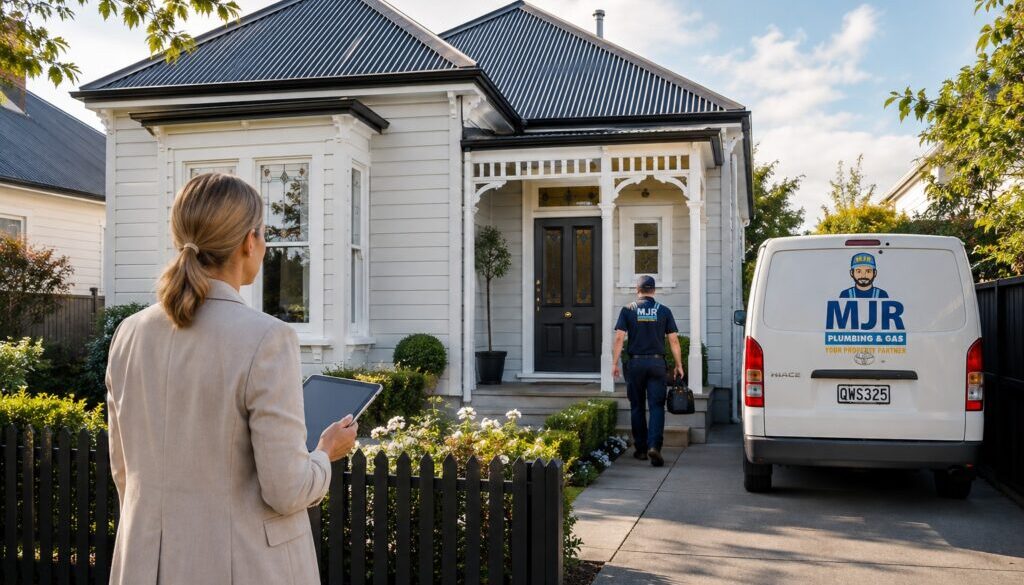
Reactive vs Proactive Plumbing Maintenance: Why Property Managers Need Both
Managing rental properties means balancing tenant satisfaction, landlord expectations, maintenance budgets and the unexpected. And when plumbing problems arise, they rarely happen at a convenient time.
A leaking pipe, failed hot water cylinder or blocked drain can quickly turn an ordinary working day into a series of urgent phone calls, frustrated tenants and unexpected costs.
While reactive maintenance will always be part of property management, knowing when to take a proactive approach can make a significant difference to the condition of a property, the tenant experience and the landlord’s long-term investment.
The reality of reactive plumbing maintenance
Reactive maintenance is exactly what it sounds like: responding to a problem after something has gone wrong.
It’s an unavoidable part of managing residential properties. Pipes burst, fixtures fail, drains block and hot water cylinders eventually reach the end of their working lives.
The challenge is that reactive maintenance often comes with additional pressures.
A relatively minor leak can become a much bigger issue when it’s hidden behind a wall, beneath a floor or inside a cupboard. By the time the problem becomes obvious, water damage may already have occurred.
For property managers, this can mean:
– Urgent coordination between tenants, landlords and tradespeople.
– Unexpected repair costs and potential insurance claims.
– Disruption to tenants and possible loss of essential services.
– Additional administrative time managing approvals, access and follow-up work.
– Difficult conversations with landlords about unexpected expenditure.
Of course, not every failure can be predicted or prevented. But many plumbing systems provide warning signs long before they fail completely.
Recognising those signs creates an opportunity to act earlier.
What does proactive plumbing maintenance look like?
Proactive maintenance doesn’t necessarily mean committing landlords to expensive maintenance programmes or replacing plumbing fixtures before they’re needed.
Often, it’s about paying attention to the condition of existing plumbing systems, identifying potential problems and making informed decisions about when repairs or replacement should be considered.
For example:
Hot water cylinders: Visible corrosion, moisture around connections, unusual discharge from valves or an ageing cylinder may warrant further investigation. Identifying potential issues early gives landlords time to consider repair or replacement options rather than making rushed decisions after a failure.
Taps and toilets: A continuously running toilet or dripping tap may appear insignificant, but these problems can waste considerable amounts of water over time. Small repairs can prevent ongoing costs and inconvenience.
Water pressure: Excessively high water pressure can contribute to premature wear on plumbing fixtures, valves and appliances. Checking pressure can be a useful part of investigating recurring plumbing problems.
Spouting and downpipes: Blocked or damaged rainwater systems can lead to water overflowing where it shouldn’t, potentially causing damage to building materials and surrounding areas.
Waste pipes and drains: Recurring blockages, slow drainage or unpleasant smells may indicate a developing issue requiring investigation rather than another temporary fix.
The key is recognising that plumbing maintenance isn’t always about fixing something that’s broken. Sometimes it’s about understanding what might fail next.
Better information leads to better decisions
One of the biggest challenges for property managers is communicating maintenance recommendations to landlords who haven’t seen the problem themselves.
A landlord might reasonably question why a hot water cylinder needs attention when it is still producing hot water, or why a plumber is recommending additional work when the original issue appears to have been resolved.
This is where clear communication from the tradesperson makes a real difference.
Photographs, accurate descriptions, practical recommendations and an explanation of the risks help property managers present information that landlords can understand.
Rather than simply reporting that something needs replacing, a good maintenance partner should help explain:
– What the problem is.
– How urgent it is.
– Whether repair is a practical option.
– What could happen if the problem is left unresolved.
– What the available solutions are.
This doesn’t mean every recommendation requires immediate action. It means the property manager and landlord have the information needed to make a sensible decision.
Why the right plumbing partner matters
For property managers managing multiple properties, the relationship with their plumbing contractor is about much more than getting someone to turn up and fix a leak.
Reliability, communication and consistency become increasingly important as the number of maintenance requests grows.
A good plumbing partner understands that property managers are coordinating several relationships at once.
The tenant wants the problem resolved. The landlord wants confidence that their money is being spent appropriately. The property manager needs accurate information, timely updates and a clear record of the work completed.
When those elements are handled well, maintenance becomes significantly easier to manage.
Our approach at MJ Robertson Plumbing & Gas
At MJ Robertson Plumbing & Gas, we’ve been looking after plumbing systems across Christchurch since 1955.
We understand that property managers need more than technical expertise. They need a dependable team that communicates clearly, respects tenants’ homes and helps them make informed maintenance decisions.
Our approach combines responsive maintenance with practical advice about the ongoing condition of a property’s plumbing systems.
Whether we’re attending an urgent leak, investigating a recurring problem or assessing an ageing hot water cylinder, our aim is to provide clear information and appropriate solutions.
Because successful property maintenance isn’t simply about resolving today’s problem. It’s also about helping property managers and landlords make better decisions for the future.
Looking for a more proactive approach to plumbing maintenance?
If you manage residential rental properties in Christchurch, we’d welcome the opportunity to discuss how MJ Robertson Plumbing & Gas can support your maintenance requirements.
From everyday plumbing repairs and gasfitting to hot water cylinder inspections and replacement, our team can help you keep properties operating safely and efficiently.
MJ Robertson Plumbing & Gas — Your Property Partner
Visit www.mjr.co.nz or email office@mjr.co.nz to discuss your property maintenance needs.